Skin Excision
Skin Cancer Excision in Toowoomba
Surgical Removal of Basal Cell Carcinoma, Squamous Cell Carcinoma and Other Skin Lesions
Surgical excision is one of the most established and commonly used treatments for skin cancer. The procedure involves removing the cancer together with a carefully planned margin of surrounding skin, then sending the tissue to a pathology laboratory to confirm the diagnosis and assess whether the edges are clear of cancer cells.
At OJ Clinics in East Toowoomba, selected skin cancers can be removed on site under local anaesthetic by Dr Omi Jindal, a General Practitioner with postgraduate training in skin cancer medicine and an extensive background in surgical and reconstructive care.
Many smaller, well-defined skin cancers can be treated with a straightforward excision and direct wound closure. More complex lesions may require a local skin flap, skin graft, specialist surgery or hospital-based care.
Every treatment begins with an individual assessment. Dr Jindal will explain the diagnosis, the proposed surgical margin, the expected scar, the available alternatives and the possible risks before you decide whether to proceed.
No referral is required to book an assessment.
- Doctor-led skin cancer surgery.
- Procedures performed under local anaesthetic.
- Tissue sent for pathology testing.
- Direct wound closure where appropriate.
- Flap and graft reconstruction available for selected defects.
- Results and follow-up coordinated through the clinic.
- No referral required.
- Medicare rebates may apply.
What Is a Simple Skin Cancer Excision?
A simple skin cancer excision is a minor surgical procedure in which the cancer and a planned margin of surrounding skin are removed in one piece.
The resulting wound is usually closed directly with stitches. This is sometimes called primary closure.
A straightforward excision may be suitable when the skin cancer is:
- Small enough to remove under local anaesthetic.
- Clearly defined.
- Located in an area with enough surrounding skin for direct closure.
- Considered appropriate for treatment in a general practice procedure room.
- Unlikely to require complex reconstruction.
- Not expected to involve deeper or important anatomical structures.
The word “simple” describes the method of removal and closure. It does not mean that the diagnosis or procedure should be taken lightly. Careful assessment, surgical planning, pathology testing and follow-up remain essential.
Which Skin Cancers Can Be Treated by Excision?
Surgical excision may be recommended for selected:
- Basal cell carcinomas.
- Squamous cell carcinomas.
- Intraepidermal carcinomas.
- Melanomas in situ.
- Early invasive melanomas.
- Suspicious moles requiring excision biopsy.
- Recurrent or previously treated lesions in suitable circumstances.
- Other skin tumours requiring complete removal.
Surgery is commonly used for basal cell carcinoma and squamous cell carcinoma because it removes the visible cancer and provides tissue for microscopic examination.
The appropriate treatment depends on the cancer type, size, depth, location, pathology findings and individual patient factors. Excision is not automatically the best option for every lesion.
Why Is a Margin of Normal-Looking Skin Removed?
Skin cancer cells may extend slightly beyond the part of the lesion that can be seen.
For this reason, the visible cancer is removed together with a planned margin of surrounding normal-looking skin. The width and depth of this margin depend on factors such as:
- The type of skin cancer.
- The size of the lesion.
- Whether its borders are clearly defined.
- Its location on the body.
- Its growth pattern.
- Whether it has previously been treated.
- Features reported on an earlier biopsy.
- The risk of the cancer returning or spreading.
The removed tissue is examined by a pathologist to determine whether cancer cells are present at the edges, known as the surgical margins. If cancer cells extend to an edge, further surgery or another form of treatment may be required.
Do I Need a Biopsy Before Excision?
Not every skin cancer requires a separate biopsy appointment before surgical removal.
An excision may sometimes serve as both the diagnostic biopsy and the definitive removal, particularly when the lesion is small enough to remove completely.
A biopsy may be recommended first when:
- The diagnosis is uncertain
- The lesion is large.
- The cancer may require a wider or deeper excision.
- The lesion is in a cosmetically or functionally important area.
- The pathology result will influence the surgical margin.
- A non-surgical treatment is being considered.
- Specialist referral may be required.
- Melanoma or an aggressive skin cancer is suspected.
For a suspicious pigmented lesion, complete excision biopsy is generally preferred where it can be performed safely and appropriately. If melanoma is confirmed, a further wide local excision may be required according to the pathology findings.
What Happens Before Skin Cancer Surgery?
Before arranging an excision, Dr Jindal will review:
- The clinical diagnosis.
- Any biopsy or pathology result.
- The size and position of the lesion.
- The treatment margin required.
- Your medications.
- Allergies.
- Bleeding or clotting problems.
- Previous reactions to local anaesthetic.
- Medical conditions that may affect healing.
- Smoking history.
- Your ability to manage wound care after surgery.
Tell the clinic if you take blood-thinning medication, including prescribed anticoagulants, antiplatelet medication or over-the-counter products that may affect bleeding.
Do not stop prescribed medication unless your doctor specifically advises you to do so.
How Is a Skin Cancer Excision Performed?
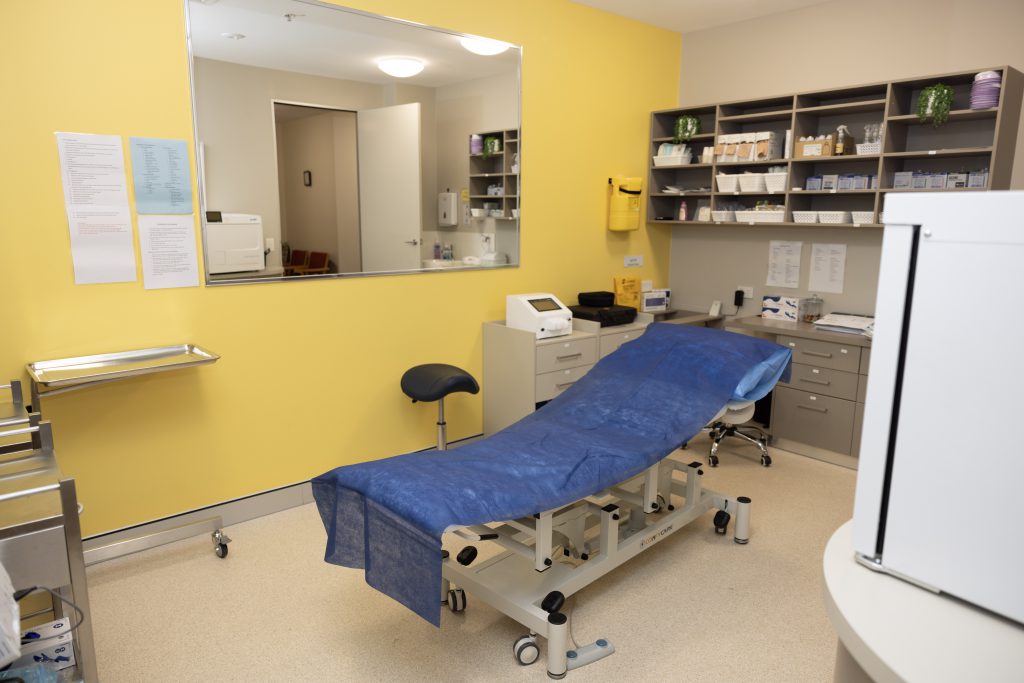
Most straightforward skin cancer excisions at OJ Clinics are performed under local anaesthetic in the clinic’s procedure room.
Confirming the Lesion
Dr Jindal will confirm the lesion being removed and review the proposed procedure with you.
The site may be marked while you are sitting or standing so that the natural skin lines and surrounding anatomy can be considered.
Planning the Excision
The visible lesion and the planned surgical margin are marked on the skin.
The excision is often designed as an ellipse. This shape allows the cancer to be removed in one piece and usually enables the wound edges to be brought together in a straight line.
The final scar will generally be longer than the original lesion because additional length is required to close the wound without leaving raised folds at either end.
Local Anaesthetic
The skin is cleaned, and local anaesthetic is injected around the surgical area.
The injection may cause a brief sting or burning sensation. Once the area is numb, you should not feel sharp pain during the procedure.
Local anaesthetic numbs the treated area while allowing you to remain awake. It is commonly used for smaller surgical procedures.
Removing the Skin Cancer
The cancer and planned margin are removed, usually down to the fatty layer beneath the skin.
The specimen is carefully labelled and sent to a pathology laboratory.
Controlling Bleeding
Small bleeding vessels are controlled during the operation. This may involve pressure, cautery, ties or other standard surgical methods.
Closing the Wound
For a simple excision, the wound edges are brought together directly.
Closure may involve:
- Deep dissolving sutures beneath the skin
- Surface sutures that require later removal
- Dissolving surface sutures in selected areas
- Adhesive strips
- Skin adhesive in suitable circumstances
Deep sutures may be used to reduce tension on the skin, close underlying space and provide additional wound support.
Dressing the Wound
A dressing is applied to protect the wound and absorb any minor bleeding or fluid.
You will receive instructions about wound care, activity restrictions, pain relief and when to return for review or suture removal.
How Long Does the Procedure Take?
The time required depends on:
- The size and location of the cancer
- The margin required
- The type of wound closure
- Whether deep sutures are needed
- The number of lesions being removed
- The complexity of the surrounding anatomy
A small, straightforward excision may be completed during a relatively short procedure appointment. Larger lesions or wounds requiring flap or graft reconstruction need more time.
The clinic will arrange an appointment length suited to the planned procedure.
Will the Removed Skin Be Sent to Pathology?
Yes. Skin cancer excision specimens removed at OJ Clinics are sent to an independent pathology laboratory for microscopic examination.
The pathology report can confirm:
- The type of skin cancer
- Its growth pattern
- Its depth or level of invasion
- Whether aggressive features are present
- Whether the surgical margins are clear
- Whether further treatment may be required
Pathology assessment is an important part of surgical skin cancer treatment because visual inspection alone cannot confirm that every cancer cell has been removed.
What Does a Clear Margin Mean?
A clear margin means that the pathologist has not identified cancer cells at the examined edges of the specimen.
This is reassuring, but follow-up may still be required. The appropriate surveillance plan depends on the type of cancer, the pathology findings and your future skin cancer risk.
An involved or positive margin means that cancer cells extend to one or more examined edges. This may indicate that part of the lesion remains.
Management may involve:
- A further excision
- A wider excision
- Referral for margin-controlled surgery
- Specialist assessment
- Another treatment in selected circumstances
- Careful monitoring where further surgery is not appropriate
Dr Jindal will explain the pathology result and the recommended next step.
What Is Direct Wound Closure?
Direct closure means bringing the two edges of the surgical wound together with stitches.
This is generally the simplest method of reconstruction and may be appropriate where:
- The wound is relatively small
- There is adequate surrounding skin movement
- Closure will not distort an important structure
- The wound can be closed without excessive tension
- The expected scar direction is acceptable
The wound may be gently undermined beneath the skin to improve movement and reduce tension. Deep sutures may then be placed before the skin is closed.
The aim is to achieve secure healing while preserving the function and shape of the surrounding area.
When Is a Flap or Skin Graft Required?
Some wounds cannot be closed directly without excessive tension or distortion.
This is more likely when a skin cancer is:
- Large
- Located on the nose, ear, eyelid or lip
- Close to an important free margin
- In an area with limited skin movement
- Deep or involving several tissue layers
- Removed from a cosmetically sensitive area
In these situations, reconstruction may involve:
Local Skin Flap
Nearby skin is carefully moved into the wound while maintaining its blood supply.
Skin Graft
Skin is taken from another area and placed over the wound.
Specialist Reconstruction
More complex defects may require referral to a plastic surgeon, dermatologist, head and neck surgeon or hospital service.
Dr Jindal will discuss the anticipated closure method before surgery wherever possible. Occasionally, the final reconstruction decision can only be made after the cancer has been removed and the actual defect has been assessed.
When Is Specialist Referral Recommended?
A skin cancer may be referred for specialist or hospital-based treatment when:
- It is large, deep or aggressive.
- Its borders are poorly defined.
- It has returned after previous treatment.
- It is located in a high-risk anatomical area.
- Important nerves, vessels, cartilage or other structures may be involved.
- Mohs micrographic surgery may offer an advantage.
- Lymph node assessment or imaging may be required.
- Sedation or general anaesthesia may be needed.
- The reconstruction is beyond what can be safely performed in the clinic.
- The patient’s medical condition increases procedural risk.
Small uncomplicated keratinocyte cancers may be suitable for standard elliptical excision in general practice, while complex or higher-risk cancers require treatment matched to their individual features.
When referral is required, Dr Jindal will explain why and help coordinate the next stage of care.
A referral does not necessarily end his involvement. Where appropriate, he can continue to review reports, explain the treatment pathway and remain involved in your ongoing skin checks and follow-up.
How Should I Prepare for the Procedure?
Before your appointment:
- Eat and drink normally unless advised otherwise
- Take your regular medication unless given different instructions
- Wear comfortable clothing that provides easy access to the treatment area
- Avoid applying makeup, moisturiser or fake tan over the surgical site
- Arrange assistance if the location of the wound may affect driving
- Plan to avoid strenuous activity after the procedure
- Bring a current medication list
- Tell the clinic about allergies or previous anaesthetic reactions
For surgery on the face or scalp, avoid wearing valuable jewellery near the treatment area.
What Should I Expect After the Excision?
Once the local anaesthetic wears off, the wound may feel:
- Tender
- Tight
- Bruised
- Mildly swollen
- Numb or altered in sensation
A small amount of spotting on the dressing can occur during the first day.
The discomfort after a straightforward excision is often manageable with suitable simple pain relief. Dr Jindal will advise which medication is appropriate for you.
Swelling and bruising may be more noticeable after surgery around the eyes, forehead, nose or scalp.
Skin Cancer Excision Aftercare
You will receive instructions suited to your wound, dressing and body area.
General guidance may include:
Keep the Dressing Dry
Keep the initial dressing clean and dry for the period advised by the clinic.
Do not remove it early unless it becomes wet, heavily soiled or you have been specifically instructed to change it.
Clean the Wound as Directed
Once the dressing can be removed:
- Wash your hands
- Clean the area gently as instructed
- Avoid scrubbing the wound
- Pat the surrounding skin dry
- Apply any recommended ointment
- Cover the wound with the advised dressing
Avoid Tension on the Wound
Avoid activities that pull, stretch or place pressure on the surgical site.
Depending on the location, this may include:
- Heavy lifting
- Running or gym exercise
- Repetitive bending
- Reaching overhead
- Contact sport
- Swimming
- Gardening
- Strenuous work
Even when the surface looks healed, deeper tissues remain weaker for several weeks.
Protect the Sutures
Do not cut, pull or remove the stitches yourself.
You will be advised when to return for suture removal. Facial sutures are usually removed earlier than sutures on the trunk, arms or legs.
Protect the Scar From the Sun
Once the wound has healed, sun protection can help reduce prolonged redness and pigmentation changes.
Dr Jindal may also discuss scar massage, silicone treatment or other scar-management measures where appropriate.
What Are the Risks of Skin Cancer Excision?
Skin cancer excision is an invasive surgical procedure and carries risks.
These may include:
- Pain or tenderness.
- Bleeding
- Bruising
- Haematoma
- Infection
- Delayed wound healing
- Wound separation
- Scarring
- Thickened or stretched scars
- Changes in skin colour
- Changes in skin colour
- Numbness or altered sensation
- Injury to a small sensory nerve
- Injury to a deeper structure in uncommon cases
- Distortion of a nearby feature
- Reaction to local anaesthetic, dressings or adhesives
- Incomplete removal of the cancer
- The need for further surgery
- Recurrence of the skin cancer
- Partial or complete failure of a flap or graft where used
The likelihood of each risk depends on the cancer, body area, operation and your individual health.
Dr Jindal will discuss the risks relevant to your proposed procedure before you decide whether to proceed.
Will Skin Cancer Excision Leave a Scar?
Yes. Any procedure that cuts through the skin leaves a permanent scar.
The final appearance depends on:
- The size and depth of the excision
- The body area
- The direction of the scar
- Tension on the wound
- The type of closure
- Infection or delayed healing
- Sun exposure
- Smoking
- Your age and skin type
- Your tendency to form thickened scars
A direct closure usually produces a line scar longer than the original skin cancer.
Scars commonly appear pink, firm or slightly raised during the early healing period. They usually soften and fade gradually, although this can take many months.
Some people develop widened, depressed, hypertrophic or keloid scars.
When Should I Contact OJ Clinics?
Contact the clinic if you develop:
- Bleeding that does not settle with firm pressure.
- Increasing redness around the wound
- Increasing warmth or swelling
- Worsening pain
- Pus or unpleasant-smelling discharge
- Fever or feeling generally unwell
- Separation of the wound edges
- A dressing that becomes heavily soaked
- A flap or graft that becomes dark, pale or unusually painful
- Any other concern about the wound
Seek urgent medical attention for severe bleeding, difficulty breathing, collapse or another serious reaction.
Can I Drive Home After Skin Cancer Excision?
Many patients can drive after a small procedure performed under local anaesthetic.
You may need to arrange transport if:
- The operation is close to the eye
- A bulky dressing affects your vision or movement
- The procedure involves your hand, foot or another area needed for safe driving
- You feel faint or unwell
- You have taken medication that affects alertness
- Dr Jindal advises you not to drive
Ask the clinic before the appointment if you are uncertain.
Returning to Work and Exercise
The appropriate time away from work depends on:
- The location and size of the wound
- Your occupation
- The amount of lifting or movement involved
- Exposure to dirt, water or contamination
- Whether the wound is directly closed or reconstructed
- Your individual healing progress
People with sedentary jobs may be able to return relatively quickly after a small excision. Physical work may require a longer period of modified duties.
Exercise should be restricted until the wound has gained sufficient strength. Returning too early can cause bleeding, wound separation or a stretched scar.
Why Choose OJ Clinics for Skin Cancer Excision?
Doctor-Led Skin Cancer Care
Your assessment and procedure are performed by Dr Omi Jindal, a General Practitioner with postgraduate training in skin cancer medicine.
Surgical and Reconstructive Experience
Dr Jindal’s background in general, plastic and reconstructive surgery supports careful planning of excision, wound closure, local flaps and skin grafts.
Treatment Under Local Anaesthetic
Many selected skin cancers can be removed in the clinic without the need for hospital admission or general anaesthesia.
Pathology Testing
Excised tissue is sent to an independent pathology laboratory to confirm the diagnosis and assess the surgical margins.
Clear Explanation Before Surgery
The proposed margin, closure method, expected scar, possible risks and treatment alternatives are discussed before the procedure.
On-Site Wound Care
Dressings, wound reviews and suture removal can be coordinated through the clinic.
Continuity of Care
The same clinic can manage:
- Skin examination
- Biopsy
- Diagnosis
- Excision
- Pathology results
- Wound care
- Scar review
- Future skin cancer surveillance
Referral When Appropriate
If specialist or hospital-based care would provide a safer or more suitable option, Dr Jindal will arrange the referral and remain involved in your care where appropriate.
No Referral Required
You can contact OJ Clinics directly to arrange a skin cancer assessment or treatment consultation.
Skin Cancer Excision for Toowoomba and the Darling Downs
OJ Clinics provides assessment and surgical treatment for selected skin cancers at Medici Medical Centre in East Toowoomba.
Patients are welcome from Toowoomba, Highfields and surrounding Darling Downs communities.
We are committed to maintaining the highest standards of patient privacy. We never use or publish your photographs or personal information.
Other Services at OJ Clinics
Frequently Asked Questions
It is a procedure in which the cancer and a planned margin of surrounding skin are removed under local anaesthetic. The wound is then closed directly with stitches where appropriate.
The local anaesthetic injection may cause a brief sting. Once the area is numb, you should not feel sharp pain during the procedure.
Some tenderness is expected after the anaesthetic wears off.
The time varies according to the size, location and closure required. A small direct excision generally takes less time than a procedure requiring a flap or skin graft.
Most straightforward excisions require stitches. These may include dissolving sutures beneath the skin and removable or dissolving sutures on the surface.
Yes. The removed tissue is sent to a pathology laboratory to confirm the diagnosis and assess whether the margins are clear.
Further excision or another treatment may be recommended. Dr Jindal will explain the pathology result and the available options.
Yes. Every surgical excision leaves a permanent scar. The likely length, position and appearance will be discussed before surgery.
Yes. Excision reduces the risk of recurrence but cannot guarantee that a skin cancer will never return. Ongoing skin surveillance remains important.
Selected facial skin cancers can be treated at the clinic. The decision depends on the cancer’s type, size, location and expected reconstruction. More complex lesions may require specialist referral.
A local skin flap, skin graft or specialist reconstruction may be required. The available options will be discussed with you.
Do not stop prescribed medication without medical advice. Tell Dr Jindal what you take so that your bleeding and clotting risks can be assessed.
This depends on the dressing and wound. You will receive specific instructions after your procedure.
The timing depends on the body area and the way the wound is healing. Stitches on the face are generally removed earlier than those on the trunk, arms or legs.
Medicare rebates may apply to eligible medically necessary consultations and procedures. The rebate and out-of-pocket cost depend on the service provided. Contact OJ Clinics for current fee information.
No. You can book a skin lesion assessment or skin cancer treatment consultation directly with OJ Clinics.
Diagnosed With a Skin Cancer? Talk Through Your Options
Bring your biopsy results – or start with an examination – and your doctor will explain your treatment options, what can be done at the clinic, and what recovery involves. Book a consultation at OJ Clinics in Toowoomba, online or by phone.