Flap and Graft Repair
Skin Flap and Skin Graft Repair in Toowoomba
Some wounds cannot be closed safely with simple stitches. This may happen after the removal of a larger skin cancer, when the surrounding skin is tight, or when direct closure could pull on an important structure such as the eyelid, nostril, lip or ear.
In these situations, a local skin flap or skin graft may provide a more suitable way to cover the wound, protect deeper tissues and preserve the shape and function of the area.
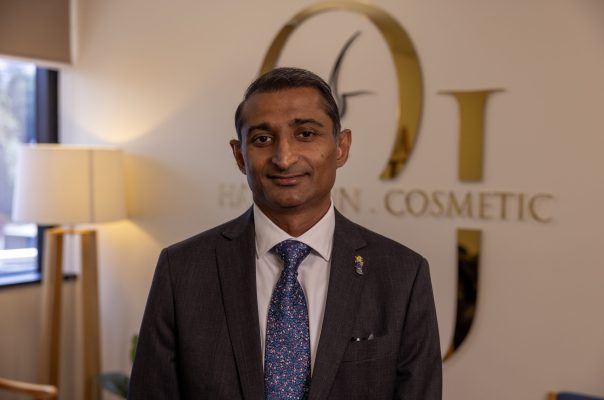
At OJ Clinics in East Toowoomba, Dr Omi Jindal performs selected skin flap and skin graft procedures under local anaesthetic. Dr Jindal is a General Practitioner with postgraduate training in skin cancer medicine and previous experience in plastic and reconstructive surgery.
Each wound is assessed individually. Some can be closed directly, while others may require a flap, graft or referral for specialist treatment. The recommended approach depends on the wound’s size, depth and location, the available surrounding skin and your general health.
No referral is required to book a consultation.
- Doctor-led assessment and treatment
- Local skin flap reconstruction
- Skin graft repair for selected wounds
- Procedures performed under local anaesthetic
- On-site wound reviews and follow-up
- Referral arranged when specialist care is more appropriate
- No referral required
- Medicare rebates may apply
What Is Reconstructive Skin Surgery?
Reconstructive skin surgery refers to techniques used to close and repair a wound when the skin edges cannot be brought together safely with standard stitches.
The aim is to:
- Restore reliable skin coverage
- Protect exposed tissue
- Support wound healing
- Preserve movement and function
- Reduce distortion of nearby structures
- Achieve the best practical scar and contour
The simplest safe closure is generally preferred. A flap or graft is recommended only when it offers a meaningful advantage over direct closure or healing without surgery.
What Is a Local Skin Flap?
A local skin flap uses skin and underlying tissue from beside or near the wound.
The tissue remains connected to its original blood supply while it is carefully moved into the defect. Depending on the design, the flap may be advanced, rotated or repositioned before being secured with stitches.
Because the tissue comes from the surrounding area, it often provides a close match in:
- Colour
- Thickness
- Texture
- Skin quality
- Sun damage
- Hair growth
Local flaps may be considered for selected wounds involving the face, nose, cheek, forehead, scalp, ear, lip, neck, hands or limbs.
The flap design is planned according to the shape of the wound, the movement of nearby skin and the need to protect surrounding structures.
What Is a Skin Graft?
A skin graft involves taking skin from another part of the body and placing it over the wound.
Unlike a flap, the graft is completely separated from its original blood supply. During the early stages of healing, it relies on the wound beneath it for nourishment before developing a new blood supply.
The graft is secured with stitches, adhesive or another suitable method. A firm dressing may be placed over it to prevent movement and keep the graft in close contact with the wound bed.
Skin used for a graft may be taken from areas such as:
- In front of or behind the ear
- The side of the neck
- The collarbone area
- The upper arm
- Another site chosen for an appropriate tissue match
The area where the graft is taken is called the donor site. This creates a second wound that also requires dressing and follow-up.
What Is the Difference Between a Flap and a Graft?
The main difference is the blood supply.
- Skin Flap: A skin flap remains attached to nearby tissue and retains its own blood supply.
- Skin Graft: A skin graft is completely removed from its donor site and must develop a new blood supply from the wound onto which it is placed.
A flap may provide a closer match in colour, thickness and contour, particularly on the face. However, it requires additional incisions in the surrounding skin.
A graft avoids moving larger amounts of nearby tissue but creates a separate donor-site wound. It may also heal with some difference in colour, thickness or texture.
Neither technique is automatically better. The most appropriate choice depends on the individual wound.
When Might a Skin Flap or Graft Be Needed?
Flap or graft reconstruction may be considered when:
- A skin cancer excision leaves a wound too large for direct closure
- Bringing the wound edges together would create excessive tension
- Direct closure could pull on an eyelid, lip, nostril or ear
- There is limited skin movement around the wound
- Cartilage, tendon, bone or another deeper structure requires coverage
- The wound has an irregular shape
- Preserving movement or function is important
- A previous scar or operation limits the available skin
- A traumatic injury has resulted in skin loss
- Healing without surgical closure would be prolonged or unsuitable
Not every larger wound requires a flap or graft. Some may still be suitable for direct closure, while others may heal well without further reconstruction.
Dr Jindal will explain the available options and why a particular approach is being recommended.
Flap and Graft Repair After Skin Cancer Removal
Skin cancer excision removes the visible cancer together with a planned margin of surrounding skin.
The resulting wound may be larger than the skin cancer initially appeared. This is because adequate treatment requires removal of both the lesion and the appropriate clinical margin.
Small wounds can often be closed directly. Larger or more complex wounds may require:
- Local skin flap repair
- Full-thickness skin grafting
- Healing without surgical closure
- Staged reconstruction
- Referral for specialist treatment
Where possible, the likely closure method will be discussed before surgery. However, the final decision may need to be made after the cancer has been removed and the true size and depth of the wound can be assessed.
The excised tissue is sent to a pathology laboratory to confirm the diagnosis and assess the surgical margins.
Types of Local Skin Flap
A flap is designed specifically for the wound and surrounding anatomy.
Advancement Flap
The surrounding skin is moved forward into the wound.
This technique may be suitable where nearby skin has enough movement and can be advanced without distorting an adjacent structure.
Rotation Flap
A curved section of skin is rotated into the defect.
Rotation flaps can help redistribute tension over a broader area and may be used for selected scalp, cheek or facial wounds.
Transposition Flap
A section of nearby skin is lifted and moved across an adjacent area into the wound.
This allows tissue to be recruited from a location where the skin has greater movement.
Bilobed Flap
A bilobed flap uses two connected sections of skin to distribute movement across the surrounding area.
It may be considered for selected wounds on the nose or nearby facial regions.
Island or Pedicle Flap
The skin and underlying tissue are moved while remaining connected through a deeper tissue attachment that supplies blood to the flap.
The choice of flap depends on blood supply, tissue movement, scar placement and the need to preserve nearby structures.
Types of Skin Graft
Full-Thickness Skin Graft
A full-thickness graft includes the complete thickness of the skin.
It is often considered for selected facial wounds because it may provide a better match in thickness and texture than a thinner graft.
The donor site is generally closed directly with stitches.
Split-Thickness Skin Graft
A split-thickness graft contains the surface layer of skin and part of the deeper skin layer.
It may be used for larger wounds but can have different healing, contraction and cosmetic characteristics. Larger split-thickness graft procedures may require specialist or hospital-based care.
How Is the Reconstruction Planned?
Dr Jindal will consider:
- The size and depth of the wound
- The anatomical location
- The movement of the surrounding skin
- Skin colour, thickness and texture
- The direction of natural skin lines
- The position of the eyelids, lips, nostrils and ears
- The need to preserve movement and function
- Previous surgery, scarring or radiotherapy
- Your medical conditions and medications
- Smoking or nicotine use
- The likely scar pattern
- Your treatment preferences
The aim is not simply to close the wound. The repair must also respect the surrounding anatomy and heal with an acceptable balance of function, strength and appearance.
What Happens During the Procedure?
Flap and graft repairs are performed under local anaesthetic when suitable for treatment in the clinic.
Assessment and Consent
Before surgery, Dr Jindal will explain:
- Why reconstruction is required
- Whether a flap, graft or direct closure is planned
- The likely position of the scars
- The donor site if a graft is required
- The expected recovery
- The possible risks
- Other available options
- Whether specialist referral should be considered
You will have an opportunity to ask questions before deciding whether to proceed.
Local Anaesthetic
The treatment area is cleaned and local anaesthetic is injected.
You may feel a brief sting or burning sensation during the injection. Once the area is numb, you should not feel sharp pain during the operation.
Skin Cancer Excision
When reconstruction follows skin cancer surgery, the lesion and planned margin are removed first.
The specimen is labelled and sent to an independent pathology laboratory.
Wound Assessment
Once the lesion has been removed, the wound is assessed again. The final closure method is confirmed according to the actual size, depth and surrounding tissue movement.
Flap Repair
For a flap, nearby skin and tissue are carefully released, repositioned and stitched into the defect.
Deep dissolving sutures may be used to support the repair, reduce tension and close any underlying space.
Skin Graft Repair
For a graft, skin is taken from the selected donor site, prepared and placed over the wound.
The graft is secured and may be covered with a firm bolster dressing to reduce movement and prevent blood or fluid from collecting underneath it.
Dressing and Follow-Up
A protective dressing is applied, and you will receive written aftercare instructions.
Follow-up appointments are arranged for wound review, dressing care, suture removal and monitoring of the flap or graft.
How Long Does the Procedure Take?
The procedure time depends on:
- The size and location of the wound
- Whether the skin cancer is removed at the same appointment
- The type of flap or graft
- The number of tissue layers requiring closure
- The complexity of the surrounding anatomy
- Whether a donor site is needed
A flap or graft repair usually takes longer than a straightforward skin excision.
The clinic will arrange an appointment length suited to the planned operation.
What Should I Expect After a Skin Flap?
During the early healing period, the flap may appear:
- Swollen
- Bruised
- Red or pink
- Uneven in contour
- Numb or altered in sensation
- Firm
- Slightly raised
The early appearance is not the final result. Swelling and firmness usually improve gradually as the tissues settle.
Some flaps initially appear bulky because adequate tissue thickness and blood supply are needed for safe healing. The contour often becomes softer and flatter over time.
What Should I Expect After a Skin Graft?
A newly placed graft may initially appear:
- Pale
- Pink or red
- Purple or bruised
- Swollen
- Crusted
- Uneven in colour or texture
These changes can occur while the graft develops a new blood supply.
The graft must remain in close contact with the wound bed. Movement, bleeding or fluid beneath the graft can interfere with healing.
Do not remove or disturb the graft dressing unless the clinic has specifically instructed you to do so.
Caring for the Graft Donor Site
A skin graft creates a second wound at the site from which the skin was taken.
For a full-thickness graft, the donor wound is usually closed with stitches.
You may notice:
- Tenderness
- Bruising
- Tightness
- Mild swelling
- Temporary numbness
- A permanent line scar
The donor site and graft site may require different dressings and different suture-removal times.
Follow the instructions provided for each area.
Recovery After Flap or Graft Surgery
Recovery varies according to the wound, reconstruction and body area.
First Few Days
Tenderness, swelling and bruising are common.
Keep the dressing clean and dry as instructed. Avoid pressing, rubbing or stretching the operated area.
First One to Two Weeks
The wound is monitored closely, particularly the blood supply to a flap or graft.
Sutures may be removed during this period depending on the site and the type of repair. Some stitches may remain longer or dissolve naturally.
Following Weeks
Redness, swelling and firmness usually reduce gradually.
Scars and tissue contour continue to change for several months. The area may remain numb, sensitive or different in texture during this time.
Activity After Surgery
Avoid activities that place tension, pressure or friction on the repair.
Depending on the treatment area, you may be advised to temporarily avoid:
- Heavy lifting
- Gym exercise
- Running
- Repetitive bending
- Reaching overhead
- Gardening
- Swimming
- Contact sport
- Physical work
- Sleeping directly on the repair
After facial reconstruction, sleeping with your head elevated may help reduce swelling.
The appropriate time away from work depends on the procedure and the physical demands of your occupation.
Flap and Graft Aftercare
You will receive written instructions specific to your procedure.
General advice may include:
- Keep the dressing dry and intact
- Do not remove a graft dressing unless instructed
- Avoid pressure or tension on the repair
- Take recommended medication as directed
- Avoid smoking and nicotine products
- Limit strenuous activity
- Attend all scheduled wound reviews
- Protect the healed area from sun exposure
- Contact the clinic if the appearance changes unexpectedly
Smoking and nicotine can reduce blood flow and increase the risk of delayed healing, flap problems and graft failure.
Risks of Local Skin Flap Surgery
Local flap surgery is an invasive procedure and carries risks, including:
- Pain and tenderness
- Bleeding
- Bruising
- Haematoma
- Infection
- Delayed healing
- Wound separation
- Scarring
- Thickened or stretched scars
- Changes in skin colour
- Numbness or altered sensation
- Swelling or raised contour
- Distortion of a nearby structure
- Partial flap loss
- Complete flap failure
- The need for further surgery
- Incomplete removal or recurrence of the skin cancer
The blood supply to a flap can occasionally become reduced, causing part or all of the tissue to heal slowly or fail.
Risks of Skin Graft Surgery
Skin graft surgery carries risks at both the graft and donor sites.
These may include:
- Pain
- Bleeding
- Infection
- Fluid or blood collecting beneath the graft
- Partial graft loss
- Complete graft failure
- Delayed healing
- Colour mismatch
- Texture mismatch
- Graft contraction
- Raised, depressed or uneven contour
- Scarring at the graft site
- Scarring at the donor site
- Numbness or altered sensation
- The need for further treatment or reconstruction
A skin graft may remain different from the surrounding skin in colour, thickness or texture.
Risks of Local Skin Flap Surgery
Local flap surgery is an invasive procedure and carries risks, including:
- Pain and tenderness
- Bleeding
- Bruising
- Haematoma
- Infection
- Delayed healing
- Wound separation
- Scarring
- Thickened or stretched scars
- Changes in skin colour
- Numbness or altered sensation
- Swelling or raised contour
- Distortion of a nearby structure
- Partial flap loss
- Complete flap failure
- The need for further surgery
- Incomplete removal or recurrence of the skin cancer
The blood supply to a flap can occasionally become reduced, causing part or all of the tissue to heal slowly or fail.
Factors That May Affect Healing
Healing problems are more likely in people with:
- Smoking or nicotine use
- Diabetes
- Poor circulation
- Immune suppression
- Previous radiotherapy
- Significant wound tension
- Infection
- Poor nutrition
- Certain blood-thinning medications
- Medical conditions affecting wound healing
- Repairs on the lower legs or other slower-healing areas
Tell Dr Jindal about your medications, allergies, medical conditions and smoking history before surgery.
Do not stop prescribed medication unless your treating doctor advises you to do so.
When Is Specialist Referral Recommended?
Not every complex wound is suitable for treatment in a general practice procedure room.
Referral may be recommended when:
- The wound is very large or deep
- Important nerves, vessels, cartilage or other structures are involved
- The cancer is aggressive, recurrent or poorly defined
- Mohs micrographic surgery may be appropriate
- General anaesthesia or sedation is required
- The reconstruction is extensive
- A highly specialised anatomical area is involved
- Your medical condition increases the procedural risk
- A multidisciplinary treatment plan is needed
When referral is recommended, Dr Jindal will explain why and help coordinate the next stage of your treatment.
Where appropriate, he can remain involved in reviewing reports, explaining the specialist pathway and managing your future skin surveillance.
When Should You Contact OJ Clinics?
Contact the clinic promptly if you notice:
- Increasing pain
- Rapidly worsening swelling
- Persistent bleeding
- Spreading redness or warmth
- Pus or unpleasant-smelling discharge
- Fever or feeling unwell
- Separation of the wound
- A flap becoming unusually pale, blue, purple or dark
- A graft becoming loose or displaced
- Increasing pain beneath a graft dressing
- A dressing becoming heavily soaked
- Any other unexpected change
Early review may be important when there is concern about infection, blood supply or fluid beneath a graft.
Will Flap or Graft Surgery Leave a Scar?
Yes. Every surgical reconstruction leaves permanent scars.
A flap creates scars around the original wound and in the surrounding area from which the tissue was moved.
A graft creates scars at both the repaired wound and the donor site.
The final appearance depends on:
- The size and location of the wound
- The reconstruction method
- Skin quality
- Wound tension
- Infection or delayed healing
- Smoking
- Sun exposure
- Your individual healing response
- Your tendency to develop thickened scars
Scars commonly appear pink, firm or raised during the early stages of healing. They usually soften and fade gradually, although this may take many months.
Scar massage, silicone treatment or other scar-care measures may be discussed once the wound is sufficiently healed.
Why Choose OJ Clinics for Flap and Graft Repair?
Doctor-Led Reconstructive Care
Your assessment and procedure are performed by Dr Omi Jindal, a General Practitioner with postgraduate training in skin cancer medicine.
Reconstructive Surgery Experience
Dr Jindal’s previous experience in plastic and reconstructive surgery informs the planning of direct closures, local skin flaps and skin grafts.
Treatment Under Local Anaesthetic
Selected procedures can be performed at Medici Medical Centre in East Toowoomba without hospital admission or general anaesthesia.
Individual Surgical Planning
The reconstruction is designed according to the wound and surrounding anatomy rather than applying the same technique to every patient.
Pathology and Follow-Up
Skin cancer tissue is sent for pathology, and wound reviews, dressing care, suture removal and pathology results are coordinated through the clinic.
Continuity of Care
The same clinic can coordinate:
- Skin checks
- Dermoscopy
- Biopsy
- Skin cancer excision
- Wound reconstruction
- Pathology review
- Dressing care
- Suture removal
- Scar review
- Ongoing skin surveillance
Referral When Appropriate
Specialist or hospital-based care is arranged when it provides a safer or more suitable treatment pathway.
No Referral Required
You can book directly with OJ Clinics for an assessment.
Flap and Skin Graft Repair for Toowoomba and the Darling Downs
OJ Clinics provides assessment and reconstructive wound closure for selected patients from East Toowoomba, Rangeville, Middle Ridge, Kearneys Spring, Highfields and surrounding Darling Downs communities.
We are committed to maintaining the highest standards of patient privacy. We never use or publish your photographs or personal information.
Other Services at OJ Clinics
Frequently Asked Questions
A flap uses nearby skin and tissue that remain connected to their existing blood supply. A graft is taken from another part of the body and must develop a new blood supply from the wound beneath it.
The procedure is performed under local anaesthetic, so you should not feel sharp pain during the repair. Tenderness, swelling and bruising are common afterward.
Initial wound healing usually takes several weeks. Swelling, firmness, redness and scar maturation may continue to improve for several months.
Yes. A graft may fail partially or completely if it does not develop an adequate blood supply. Bleeding, infection, movement, smoking and poor circulation may increase the risk.
Yes. Partial or complete flap loss is possible if the tissue does not receive sufficient blood flow, although many selected flaps heal without this complication.
The aim is to restore reliable coverage, preserve function and achieve the best practical appearance. A scar and some difference in colour, thickness, texture or contour may remain.
Yes. Follow-up is an important part of flap and graft care. You will usually need wound review, dressing care and suture removal.
Selected facial wounds can be treated at the clinic. Suitability depends on the cancer, wound size, location, expected reconstruction and your individual health.
Many selected flap and graft repairs can be performed under local anaesthetic. Larger or more complex reconstructions may require specialist or hospital-based care.
No. You can book a consultation directly with OJ Clinics.
Yes. You are welcome to seek another medical opinion before proceeding with surgery.
Medicare rebates may apply to eligible medically necessary procedures. The rebate and out-of-pocket cost depend on the treatment performed. Contact OJ Clinics for current fee information.
Book a Flap or Skin Graft Consultation in Toowoomba
Book an assessment if:
- You have been told that a skin cancer wound may require reconstruction
- A wound cannot be closed with simple stitches
- You have a complex wound after skin cancer surgery
- You want to understand the difference between direct closure, flap repair and skin grafting
- You would like another opinion about your reconstructive options