Minor Surgeries
Minor Procedures in Toowoomba
Many common skin, lump and wound concerns can be assessed and treated in a general practice procedure room without hospital admission.
At OJ Clinics in East Toowoomba, Dr Omi Jindal provides a range of minor surgical and non-surgical procedures for suitable patients. These include skin biopsies, removal of selected skin lesions, cyst and lipoma assessment, cryotherapy, wound repair and treatment of selected skin cancers.
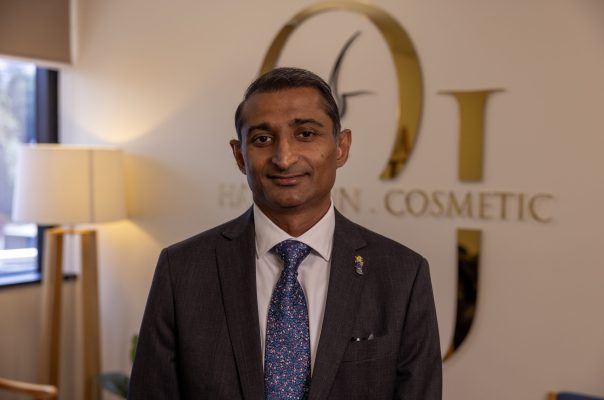
Dr Jindal is a General Practitioner with postgraduate training in skin cancer medicine and an extensive previous background in general, plastic and reconstructive surgery.
Every procedure begins with a medical assessment. Some concerns can be treated at the clinic, while others may require further investigation, imaging, pathology testing or referral to a dermatologist, surgeon or hospital service.
No referral is required to book an assessment.
- Doctor-led assessment and treatment.
- Dedicated procedure-room care.
- Local anaesthetic where required.
- Pathology testing for appropriate specimens.
- Wound care and follow-up available.
- No referral required.
- Medicare rebates may apply.
GP trained in skin cancer medicine
Assessment before treatment, always
Often same-day where appropriate
No referral is required to see us
What Is a Minor Procedure?
A minor procedure is a medical or surgical treatment that can usually be performed in a general practice procedure room without hospital admission or general anaesthesia.
Many procedures are completed under local anaesthetic, which numbs the treatment area while you remain awake. Others, such as cryotherapy, may not require anaesthetic.
The term “minor” refers to the setting and extent of the procedure. It does not mean that the treatment is without risk or that every condition is suitable for management in general practice.
The complexity of a procedure depends on:
- The diagnosis
- The size and depth of the lesion
- Its location on the body
- The type of closure required
- The type of closure required
- Your medical history
- Your medications
- Your ability to heal safely
- Whether specialist facilities are needed
Dr Jindal will explain whether treatment at OJ Clinics is appropriate for your particular concern.
Minor Procedures Available at OJ Clinics
The procedures offered depend on clinical assessment and individual suitability.
Skin Biopsy
A skin biopsy may be recommended when a mole, lesion, lump or persistent rash cannot be confidently diagnosed through examination alone.
A small sample—or sometimes the entire lesion—is removed under local anaesthetic and sent to a pathology laboratory.
Biopsy techniques may include:
- Punch biopsy
- Shave biopsy
- Incisional biopsy
- Excision biopsy
The appropriate method depends on the suspected diagnosis, lesion depth, size and location.
Mole and Skin Lesion Removal
Selected moles and other skin lesions can be removed where there is a medical indication or where removal of a benign lesion is considered appropriate after assessment.
Reasons for removal may include:
- Concern about skin cancer
- Change in size, shape or colour
- Repeated bleeding or irritation
- Trauma from shaving, clothing or jewellery
- Uncertain diagnosis
- Personal preference after medical assessment
Skin Cancer Excision
Selected basal cell carcinomas, squamous cell carcinomas and other skin cancers can be surgically removed at OJ Clinics where this is clinically appropriate.
The cancer is removed with a planned margin of surrounding skin and sent to pathology. Smaller wounds may be closed directly with stitches, while selected defects may require a local skin flap or skin graft.
Larger, aggressive, recurrent or anatomically complex cancers may require specialist or hospital-based treatment.
Cyst Removal
A skin cyst is a closed sac beneath the skin that may contain keratin, fluid or other material.
Cyst removal may be considered when a cyst:
- Is repeatedly inflamed
- Becomes infected
- Causes pain or pressure
- Continues to enlarge
- Interferes with clothing or movement
- Has an uncertain diagnosis
- Is troublesome to the patient
Removal is generally easier when the cyst is not acutely inflamed. An infected cyst may require initial treatment before definitive removal is planned.
Lipoma Assessment and Removal
A lipoma is a usually benign lump made of fatty tissue beneath the skin.
Selected small, superficial lipomas may be suitable for removal under local anaesthetic. An ultrasound or specialist assessment may be recommended when a lump is:
- Large
- Deep
- Firm or fixed
- Painful
- Growing rapidly
- Located close to important structures
- Uncertain in diagnosis
Not every lump that feels soft is a lipoma. A medical assessment is required before removal is recommended.
Skin Tag Removal
Skin tags are common benign growths that often develop around the neck, underarms, groin or areas of friction.
Selected skin tags may be treated by:
- Snip removal
- Cryotherapy
- Cautery
- Another suitable method
Treatment performed solely for cosmetic reasons may not attract a Medicare rebate.
Cryotherapy
Cryotherapy uses liquid nitrogen to freeze selected superficial skin lesions.
It may be used for:
- Individual actinic keratoses or sunspots
- Warts
- Selected seborrhoeic keratoses
- Some small benign lesions
- Carefully selected superficial skin conditions
Cryotherapy is not appropriate for an undiagnosed lesion or suspected melanoma because the treated tissue is destroyed and cannot be sent to pathology.
Every lesion is assessed before freezing.
Curettage and Cautery
Curettage and cautery may be considered for selected superficial skin lesions and certain low-risk skin cancers.
The lesion is removed using a curette, and the base is treated using cautery or another method to control bleeding and destroy residual superficial abnormal cells.
Because this is a destructive technique, it is not suitable for every lesion or body area. A biopsy may be required before treatment.

Wound and Laceration Repair
Selected cuts and lacerations may be assessed, cleaned and closed at the clinic where appropriate.
Treatment may include:
- Wound cleaning and irrigation
- Removal of superficial debris
- Local anaesthetic
- Sutures
- Adhesive strips
- Tissue adhesive
- Dressing and follow-up care
Some wounds require urgent hospital assessment, particularly if they involve:
- Uncontrolled bleeding
- Deep tissue damage
- Tendons, nerves or blood vessels
- Significant contamination
- Animal or human bites
- A retained foreign body
- An open fracture
- Loss of movement or sensation
- The eye, airway or another critical structure
Contact the clinic before attending with an acute wound so the team can advise whether the service is suitable and whether an appointment is available.
Split Earlobe Repair
Selected split or stretched earlobes may be repaired under local anaesthetic.
The damaged edges are refreshed and brought together with fine sutures. The procedure leaves a permanent scar, and re-piercing should only be considered after the area has healed adequately.
The position of any future piercing may need to differ from the original site.
Scar and Wound Review
OJ Clinics can assess selected scars and wounds following previous procedures.
Review may be appropriate for:
- Delayed wound healing
- Persistent redness
- Thickened or raised scars
- Widened scars
- Wound separation
- Ongoing tenderness
- Concerns about infection
- Questions about scar care
Management depends on the cause and maturity of the scar. Some concerns can be managed conservatively, while others may require further treatment or referral.
When Should You Book a Minor Procedure Assessment?
Arrange an appointment if you have:
- A mole or lesion that is new or changing
- A spot that bleeds, crusts or does not heal
- A lump or cyst that is growing or uncomfortable
- A skin tag that is repeatedly irritated
- A lesion that has returned after previous treatment
- A wound that may require cleaning or closure
- A scar or wound that is not healing as expected
- A confirmed skin cancer requiring treatment
- A benign lesion you are considering having removed
An assessment does not automatically mean that a procedure will be performed. The first priority is establishing the likely diagnosis and deciding whether treatment is necessary and safe.
What Happens at the Initial Consultation?
Your first appointment generally involves assessment and treatment planning.
Dr Jindal may ask about:
- How long the concern has been present
- Whether it has changed
- Pain, bleeding, discharge or other symptoms
- Previous treatment
- Previous skin cancers or biopsies
- Current medications
- Blood-thinning medication
- Allergies
- Medical conditions affecting healing
- Previous reactions to local anaesthetic
- Smoking or nicotine use
The area will then be examined. Dermoscopy may be used for a mole or suspicious skin lesion.
Depending on the findings, the next step may be:
- Reassurance
- Monitoring
- Medication or wound care
- Cryotherapy
- Biopsy
- Surgical removal
- Imaging
- A separate procedure appointment
- Specialist or hospital referral
Can the Procedure Be Done at the First Appointment?
Some procedures may be performed during the initial consultation when:
- The diagnosis is sufficiently clear
- The treatment is straightforward
- Appropriate consent can be obtained
- Time and procedure-room availability permit
- No additional preparation is required
A separate appointment may be necessary when:
- A longer procedure is required
- The lesion needs biopsy before definitive treatment
- Medication or medical risks need to be reviewed
- Surgical planning is required
- A flap or graft may be needed
- More than one lesion is being treated
- The procedure cannot be completed safely within the consultation time
The clinic will explain the most appropriate pathway after assessment.
What Happens During a Minor Surgical Procedure?
The exact steps depend on the treatment being performed.
Assessment and Consent
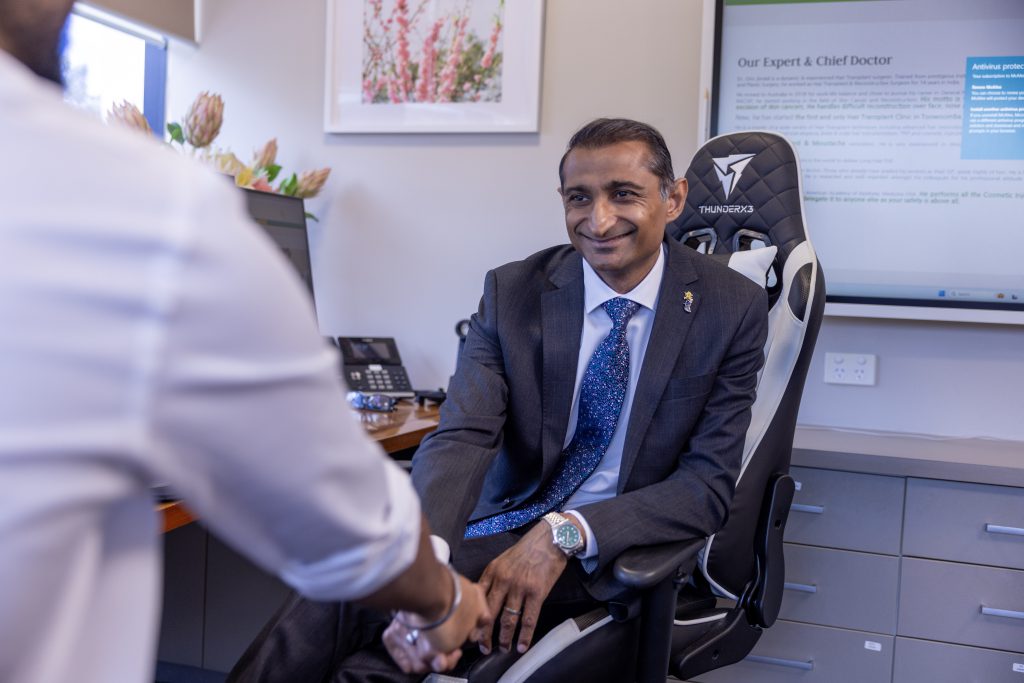
Dr Jindal will confirm the treatment site and explain:
- Why the procedure is recommended
- What the procedure involves
- Other available options
- The likely scar
- The expected recovery
- Possible risks
- Whether pathology testing is required
- Whether follow-up will be needed
You will have an opportunity to ask questions before deciding whether to proceed.
Local Anaesthetic
Where required, local anaesthetic is injected around the treatment area.
The injection may cause a brief sting or burning sensation. Once the area is numb, you should not feel sharp pain during the procedure.
The Procedure
The lesion, lump or wound is treated using the planned technique.
Depending on the procedure, the area may be:
- Closed with stitches
- Supported with adhesive strips
- Covered with skin adhesive
- Treated with cautery
- Left open to heal beneath a dressing
Pathology
Tissue removed for diagnostic or medical reasons is sent to a pathology laboratory where appropriate.
The pathology report may confirm:
- A benign lesion
- An inflammatory condition
- A precancerous change
- Skin cancer
- Whether further treatment is required
Dressing and Aftercare
A dressing is applied if needed, and you will receive instructions about:
- Keeping the wound clean and dry
- Dressing changes
- Pain relief
- Activity restrictions
- Suture removal
- Warning signs that require review
Recovery After a Minor Procedure
Recovery depends on the type of procedure, the body area and your individual healing.
During the first few days, it is common to experience:
- Mild pain or tenderness
- Bruising
- Swelling
- Tightness
- A small amount of spotting on the dressing
- Temporary numbness or altered sensation
Procedures involving the face may produce more visible swelling or bruising. Wounds on the lower legs, back or areas under tension may take longer to heal.
You will be advised when you can return to work, exercise, swimming and other normal activities.
Minor Procedure Aftercare
Your instructions will be tailored to the procedure.
General advice may include:
- Keep the initial dressing dry for the advised period
- Wash your hands before touching the wound
- Clean the area gently as instructed
- Avoid picking scabs or crusts
- Do not remove your own stitches
- Avoid stretching or placing pressure on the wound
- Limit strenuous exercise
- Avoid swimming while the wound is open
- Attend scheduled wound reviews
- Protect the healed scar from sun exposure
Follow the specific instructions given to you, even if they differ from general advice.
When Should You Contact the Clinic?
Contact OJ Clinics if you develop:
- Increasing pain
- Spreading redness
- Increasing swelling or warmth
- Pus or unpleasant-smelling discharge
- Fever or feeling unwell
- Persistent bleeding
- Separation of the wound edges
- A dressing that becomes heavily soaked
- Loss of movement or sensation
- A wound that is not healing as expected
- Any other concern after your procedure
Seek urgent medical attention for severe bleeding, difficulty breathing, collapse or another serious reaction.
Risks of Minor Procedures
All surgical and invasive procedures carry risks.
Depending on the treatment, these may include:
- Pain
- Bleeding
- Bruising
- Haematoma
- Infection
- Delayed wound healing
- Wound separation
- Scarring
- Thickened or widened scars
- Changes in skin colour
- Numbness or altered sensation
- Damage to a nearby structure
- Reaction to local anaesthetic or dressings
- Incomplete removal
- Recurrence of the lesion
- An inconclusive pathology result
- The need for further treatment
- An unsatisfactory cosmetic or functional outcome
The risks relevant to your procedure will be discussed before treatment.
You are welcome to seek a second medical opinion before proceeding.
Will the Procedure Leave a Scar?
Any procedure that cuts, burns, freezes or otherwise destroys skin can leave a permanent mark.
The final appearance depends on:
- The treatment method
- The size and depth of the lesion
- The body area
- Wound tension
- Infection or delayed healing
- Sun exposure
- Smoking
- Your skin type
- Your individual tendency to develop thickened scars
Where surgery is planned, Dr Jindal will explain the likely position and length of the scar.

When Is Specialist or Hospital Care Required?
A referral may be recommended when:
- The diagnosis remains uncertain
- A lump is large, deep or rapidly growing
- A skin cancer is aggressive or anatomically complex
- Important nerves, vessels, muscles or tendons may be involved
- General anaesthesia or sedation is required
- The expected reconstruction is extensive
- Your health increases the procedural risk
- Imaging or multidisciplinary treatment is needed
- The condition cannot be treated safely in a general practice procedure room
When referral is required, Dr Jindal will explain why and help coordinate the next stage of care.
Why Choose OJ Clinics for Minor Procedures?
Doctor-Led Care
Assessment and procedures are provided by Dr Omi Jindal, a General Practitioner with postgraduate training in skin cancer medicine.
Surgical and Reconstructive Experience
Dr Jindal’s previous experience in general, and reconstructive surgery informs his approach to tissue handling, wound closure and scar placement.
Treatment Close to Home
Selected procedures are performed at Medici Medical Centre in East Toowoomba without hospital admission.
Assessment Before Treatment
Lesions and lumps are assessed before removal. A biopsy, imaging or referral is recommended when treatment without further investigation would not be appropriate.
Pathology Testing
Tissue removed for diagnostic or medical reasons is sent for pathology examination where indicated.
Follow-Up Care
Wound reviews, dressing care, suture removal, pathology results and further treatment can be coordinated through the clinic.
Clear Communication
The reason for treatment, alternatives, risks, likely scar and recovery are explained before you decide whether to proceed.
No Referral Required
You can contact OJ Clinics directly to arrange an assessment.
Minor Procedures for Toowoomba and the Darling Downs
OJ Clinics provides minor procedure consultations for patients from East Toowoomba, Rangeville, Middle Ridge, Kearneys Spring, South Toowoomba, Highfields and surrounding Darling Downs communities.
We are committed to maintaining the highest standards of patient privacy. We never use or publish your photographs or personal information.
Other Services at OJ Clinics
Frequently Asked Questions
No. You can book an assessment directly with OJ Clinics.
Procedures involving cutting or removal are generally performed under local anaesthetic. You may feel a brief sting from the injection, but you should not feel sharp pain once the area is numb.
Some tenderness is common after the anaesthetic wears off.
Some treatments may be performed during the initial consultation. Others require a separate procedure appointment for adequate assessment, consent and preparation.
The time depends on the treatment, lesion size, location and type of closure. The procedure itself may be brief, but additional time is needed for assessment, anaesthetic, dressing and aftercare instructions.
Some biopsies, excisions, cyst removals and wound repairs require stitches. Cryotherapy, shave procedures and some other treatments may not.
Tissue removed for diagnostic or medical reasons is sent for pathology testing where appropriate. Dr Jindal will explain whether pathology is required for your procedure.
Recovery varies considerably. Small superficial procedures may settle within a few weeks, while sutured wounds and procedures on slower-healing areas may take longer.
Many procedures require follow-up for wound review, pathology results, dressing care or suture removal.
Most patients can drive after a straightforward procedure under local anaesthetic. Transport may be advisable if the dressing or procedure affects your vision, movement or ability to control a vehicle safely.
This depends on the wound and your occupation. Desk-based work may be possible after some procedures, while physical jobs may require modified duties or time away from work.
The terms are often used interchangeably. Minor surgery generally refers to a procedure involving cutting, biopsy, excision or suturing. Minor procedures also include non-surgical treatments such as cryotherapy.
Medicare rebates may apply to eligible medically necessary consultations and procedures. Cosmetic removal of benign lesions may not attract a rebate. Contact the clinic for current fees and expected out-of-pocket costs.
Yes. You are welcome to seek a second opinion before proceeding with any procedure.
Book a Minor Procedure Assessment in Toowoomba
Book a consultation if you have a skin lesion, mole, cyst, lump, wound or scar that requires assessment.
The appointment will help determine whether treatment can be provided at OJ Clinics or whether further investigation or specialist care would be more appropriate.