Skin Cancer
Skin Cancer Treatment in Toowoomba
A skin cancer diagnosis often brings an immediate question: what happens next?
The answer depends on the individual cancer and the person being treated. There is no single treatment that is suitable for every skin cancer. The recommended approach will depend on factors such as:
- The type of skin cancer.
- Its size and depth.
- Where it is located.
- Whether its borders are clearly defined.
- Previous treatment in the same area.
- Your age, general health and medications.
- Your preferences and treatment priorities.
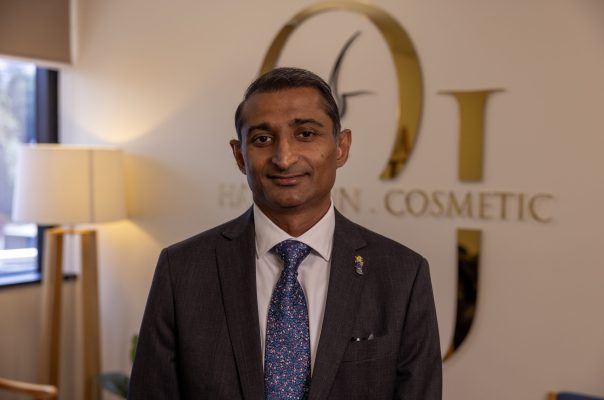
At OJ Clinics in East Toowoomba, skin cancer treatment is planned by Dr Omi Jindal, a General Practitioner with postgraduate training in skin cancer medicine and 20 years of background in reconstructive surgery.
Many biopsies, excisions and selected reconstructive procedures can be performed at the clinic when this is clinically appropriate. When specialist or hospital-based treatment would be safer or more suitable, a referral will be arranged promptly. OJ Clinics can continue to coordinate your care and follow-up throughout the treatment pathway.
GP trained in skin cancer medicine
Aligned with Australian clinical guidelines
Treatment on site where appropriate, referral where it isn't
No referral needed to see us
How Is Skin Cancer Treatment Decided?
Treatment planning usually begins after the diagnosis has been established. In many cases, this involves taking a small sample of the lesion through a skin biopsy and sending it to a pathology laboratory.
The pathology report can provide important information about:
- The type of skin cancer.
- The pattern of growth.
- The depth or level of invasion.
- Whether the lesion appears aggressive.
- Whether further treatment is required.
Not every skin lesion requires a biopsy before treatment. The most appropriate diagnostic and treatment pathway will depend on the clinical and dermoscopic findings, the location of the lesion and your individual circumstances.
Your Treatment Options Will Be Explained Clearly
Once the diagnosis and relevant clinical information are available, Dr Jindal will discuss the available treatment options with you.
This discussion may include:
- The type and behaviour of the skin cancer.
- Whether treatment is required urgently.
- Surgical and non-surgical options.
- Why a particular treatment is being recommended.
- The benefits and limitations of each approach.
- The likely scar and healing process.
- Whether a skin flap or skin graft may be required.
- Possible complications and treatment risks.
- Alternative treatment options.
- Whether specialist referral is advisable.
- The recommended follow-up and future skin surveillance.
The aim is to help you make an informed decision based on clear information rather than taking a one-size-fits-all approach.
Skin Cancer Procedures at OJ Clinics
Depending on the diagnosis and clinical circumstances, treatment at OJ Clinics may include:
- Skin biopsies.
- Surgical excision of selected skin cancers.
- Curettage and cautery for suitable lesions.
- Cryotherapy for selected superficial lesions.
- Direct wound closure.
- Local skin flap reconstruction.
- Skin graft reconstruction.
- Wound review and postoperative care.
- Pathology review and ongoing skin surveillance.
The availability of a particular treatment does not mean it will be suitable for every patient or every skin cancer. Treatment recommendations are made after an individual medical assessment.
When Is Specialist Referral Recommended?
Some skin cancers are better managed by a dermatologist, plastic surgeon, head and neck surgeon, radiation oncologist or hospital-based multidisciplinary team.
Referral may be recommended when:
- The cancer is large, deep or aggressive.
- The lesion is in a technically complex area.
- Important structures may be involved.
- Mohs micrographic surgery may be appropriate.
- Lymph node assessment or further imaging is required.
- The cancer has returned after previous treatment.
- Treatment under sedation or general anaesthesia may be needed.
- The expected reconstruction is beyond what can safely be performed in the clinic.
When specialist or hospital-based care is needed, Dr Jindal will explain why the referral is being made and help coordinate the next stage of your treatment.
A referral does not mean that his involvement ends. He will continue to support you, help you understand what is happening, review relevant reports and remain involved in your follow-up care where appropriate.
The aim is simple: to make sure you feel informed, supported and cared for throughout the entire treatment process. That is what continuity of care means at OJ Clinics.
Understanding the Risks of Treatment
Skin cancer treatments and diagnostic procedures can be invasive and carry risks. The specific risks depend on the treatment performed, the size and location of the lesion, your medical history and the complexity of the procedure.
Possible risks may include:
- Pain or discomfort.
- Bleeding.
- Infection.
- Delayed wound healing.
- Scarring.
- Changes in sensation.
- Wound separation.
- Partial or complete failure of a skin graft or flap.
- An unsatisfactory cosmetic or functional outcome.
- The need for further treatment.
- Recurrence of the skin cancer.
The risks relevant to your proposed procedure will be discussed during your consultation. You will also have the opportunity to ask questions about the alternatives, expected recovery and likely outcome before deciding whether to proceed.
Doctor-Led Skin Cancer Care in East Toowoomba
OJ Clinics provides skin cancer assessment, diagnosis, treatment and follow-up at Medici Medical Centre in East Toowoomba.
Care is centred on accurate diagnosis, appropriate treatment, careful surgical planning and clear communication. Where treatment can be safely provided at the clinic, it may be completed locally. Where another service is more appropriate, referral will be arranged without unnecessary delay.
To discuss a suspicious lesion, a recent skin cancer diagnosis or your treatment options, book a consultation with OJ Clinics in Toowoomba.
We are committed to maintaining the highest standards of patient privacy. We never use or publish your photographs or personal information.
Other Services at OJ Clinics
Frequently Asked Questions
Surgical excision – removal of the cancer with a margin of healthy tissue under local anaesthetic – is the most common treatment for basal cell carcinomas, squamous cell carcinomas and melanomas, with pathology confirming whether the margins are clear. Superficial, low-risk cancers and pre-cancerous sunspots can sometimes be treated non-surgically, with cryotherapy or prescription field treatments.
Sometimes. Selected superficial cancers and pre-cancerous lesions can be treated with cryotherapy, curettage or topical treatments – but suitability depends entirely on the cancer’s type, depth and site, established by proper diagnosis first. Invasive cancers and melanoma are treated surgically.
Many treatments – excisions, cryotherapy and biopsies – are performed at the clinic under local anaesthetic. Cancers needing complex surgery, radiation or systemic treatment are referred to the appropriate specialist service, with your GP coordinating throughout.
Promptly, but the right sequence matters more than raw speed: an accurate diagnosis first, then the treatment that diagnosis calls for. Your doctor will tell you honestly if your situation is urgent and prioritise accordingly.
Medicare rebates apply to medically necessary skin cancer consultations and procedures. What you pay depends on the billing arrangement – see our
fees page or ask reception before your appointment.
Recurrence is possible after any treatment, which is why follow-up review and ongoing skin checks are built into your plan. A recurrent cancer is reassessed and treated – sometimes with a different approach than the first time, including specialist referral where appropriate.
Melanoma diagnosis, and the excision of melanomas suitable for general-practice management under national clinical guidelines, are performed at the clinic by a General Practitioner with postgraduate training in skin cancer medicine. Melanomas requiring wide excision, sentinel lymph node assessment or systemic treatment are referred promptly to specialist services, with your GP continuing to coordinate your wound care, results and long-term skin surveillance.
Diagnosed - or Worried About a Spot?
Whether you have a confirmed diagnosis and want to understand your options, or a lesion that hasn’t been looked at yet, the next step is the same: book an appointment at OJ Clinics in Toowoomba. Online or by phone – no referral needed.