
Split Earlobe Repair
Split Earlobe Repair in Toowoomba
Repairing an Earlobe That Has Stretched, Torn or Split
A torn earlobe can be surprisingly frustrating.
Sometimes it happens suddenly when an earring is pulled. More often, the hole gradually stretches over time until the earlobe becomes elongated, thinned or completely split.
For some people, it is mainly a cosmetic concern. For others, it means they can no longer wear earrings comfortably or at all.
At OJ Clinics in East Toowoomba, split or stretched earlobes can be assessed by Dr Jindal to determine whether a minor surgical repair may be suitable.
The aim is simple: to restore the shape and strength of the earlobe as carefully as possible while keeping expectations realistic.
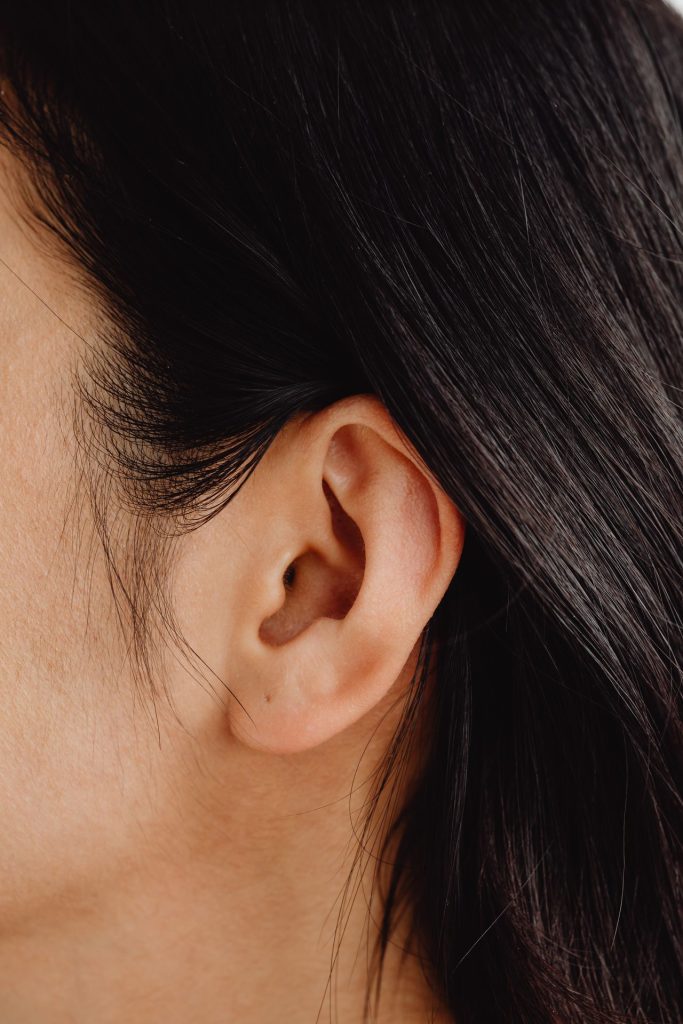
What Is a Split Earlobe?
A split earlobe occurs when the tissue between an earring hole and the lower edge of the ear becomes stretched, torn or completely divided.
It may appear as:
- A partial tear.
- An enlarged or elongated piercing hole.
- A complete split through the lower earlobe.
- A thin strip of tissue below the piercing.
- Distortion following previous piercing or trauma.
Some people notice the problem gradually over years. Others experience an acute tear after an earring becomes caught or pulled.
Earlobes
Why Do Earlobes Split?
Common reasons include:
Long-term use of heavy earrings.
Repeated traction from earrings.
Accidental pulling or trauma.
Gradual enlargement of a piercing.
Previous stretching or gauging.
Thin or naturally delicate earlobe tissue.
Previous surgery or scarring.
Ageing can also make earlobe tissue thinner and less resistant to repeated tension.
Who May Consider Earlobe Repair?
A consultation may be worthwhile if:
Your earring hole has become noticeably elongated.
Earrings no longer sit properly.
The piercing is close to tearing completely.
The earlobe has already split.
The ear has healed with an irregular shape after trauma.
You would like to discuss whether the earlobe can be reconstructed.
Not every earlobe needs surgery.
The degree of stretching, amount of remaining tissue, previous scarring and your expectations all need to be considered before deciding whether repair is appropriate.
Assessment
What Happens During the Assessment?
Dr Jindal will examine the earlobe and look at:
Whether the tear is partial or complete.
The width and length of the defect.
Remaining tissue quality.
Previous scar tissue.
The position of the original piercing.
Symmetry compared with the opposite ear.
Whether there has been previous repair or infection.
You can also discuss what you hope to achieve, including whether you would eventually like the ear pierced again.
Earlobe Repair
How Is a Split Earlobe Repaired?
In suitable cases, split earlobe repair can usually be performed as a minor procedure under local anaesthetic.
The exact technique depends on the shape of the tear and the amount of healthy tissue available.
In general, the scarred edges of the split are carefully refreshed and the earlobe is reconstructed with fine sutures to restore continuity and contour.
The operation is planned individually rather than using the same repair for every ear.
How Long Does the Procedure Take?
A straightforward repair is usually a relatively short procedure, although the time required depends on the size and complexity of the defect.
More complex tears, previous repairs or significant tissue loss may require additional planning.
Will It Hurt?
Local anaesthetic is used to numb the earlobe before the repair.
You may feel some brief discomfort during the injection, but the aim is for the procedure itself to be comfortable.
Some tenderness or sensitivity can occur after the anaesthetic wears off.
What Should I Expect Afterwards?
Following repair, there will be a fine surgical wound with sutures.
It is normal to experience some:
Mild swelling
Tenderness
Bruising
Redness around the wound
You will be given instructions about wound care and when to return for review or suture removal.
The earlobe should be protected from unnecessary pulling or pressure while it heals.
Split Earlobe
Know more about Split Earlobe Repair
Will There Be a Scar?
Yes.
Any surgical repair creates a scar.
The scar usually settles with time, but its final appearance varies from person to person and cannot be predicted exactly.
Factors such as skin type, healing tendency, previous scarring, infection and tension on the repair can influence the result.
The aim is to place the scar within the reconstructed earlobe as neatly as possible while restoring its shape.
Can the Ear Be Pierced Again?
Often, yes, but not immediately.
The repaired earlobe needs time to heal and regain strength before another piercing is considered.
The new piercing should generally not be placed directly through the previous scar line.
Your doctor can advise on timing after assessing how the repair has healed.
Can Both Earlobes Be Repaired?
Yes, where appropriate.
Some people have stretching or splitting on both sides and choose to have both assessed.
Whether both repairs should be performed at the same appointment depends on the individual situation.
Risks
What Are the Risks?
These may include:
Bleeding
Bruising
Swelling
Infection
Wound separation
Asymmetry
Delayed healing
Noticeable or raised scarring
Contour irregularity
Recurrence of stretching or tearing
An outcome that differs from what was hoped for
Further treatment or revision may occasionally be required.
Your individual risks should be discussed during consultation before deciding whether to proceed.
We are committed to maintaining the highest standards of patient privacy. We never use or publish your photographs or personal information.
Other Services at OJ Clinics
Frequently Asked Questions
Possibly.
A stretched or elongated piercing can sometimes be repaired before it progresses to a complete split. The appropriate approach depends on the remaining tissue and the degree of distortion.
Not necessarily.
Older, fully healed tears can often still be assessed for repair. Previous scarring and tissue quality will influence the surgical plan.
It depends on the injury.
A recent traumatic tear should be assessed promptly because management may differ from that of an established, healed split.
Straightforward repairs can usually be performed under local anaesthetic in an appropriate procedure setting.
This varies with the size and shape of the repair. Fine sutures are generally used to carefully approximate the skin and restore the contour of the earlobe.
Timing depends on the repair and how the wound is healing. Your doctor will provide a specific postoperative plan.
No.
The repaired tissue needs time to heal before earrings should be worn again.
This depends on healing and should be discussed at follow-up. Re-piercing is generally delayed until the tissue has healed sufficiently.
Perfect symmetry cannot be guaranteed.
Natural ears are rarely identical even before surgery. The aim is to improve the contour and restore continuity while respecting the existing anatomy.
Sometimes.
Revision may be possible, but previous surgery can change the amount and quality of available tissue. An assessment is required before deciding whether another repair is suitable.
This is important to discuss before surgery.
People with a history of keloid or problematic scarring may have a higher risk of developing an unwanted scar after earlobe surgery.
The cost depends on whether one or both ears require treatment and the complexity of the repair. Fees can be discussed after assessment and before you decide whether to proceed.
No. A referral is not required to arrange an assessment at OJ Clinics.
A split earlobe may be small, but it can be something you notice every time you look in the mirror, put on earrings or tie your hair back.
You do not have to decide whether surgery is right for you before coming in.
The first step is simply to have the ear assessed, understand what can realistically be achieved and decide whether repair is worthwhile for you.
At OJ Clinics in East Toowoomba, split earlobe repair is approached as a minor surgical procedure, with attention to anatomy, wound healing and realistic expectations.
Start With an Honest Conversation
If you’re considering a thread lift, the right first step is a consultation – an assessment of what the procedure can realistically do for your face, its risks, its costs, and whether it’s the right choice at all. Book a consultation at OJ Clinics in Toowoomba, online or by phone.