Skin Check Toowoomba
Comprehensive Skin Checks in Toowoomba
Regular skin checks are an important part of looking after your health, particularly in Queensland, where high ultraviolet exposure is part of everyday life.
Skin cancer does not always cause pain or obvious symptoms in its early stages. A suspicious lesion may simply appear as a new spot, a changing mole, a persistent scaly area or a sore that does not heal.
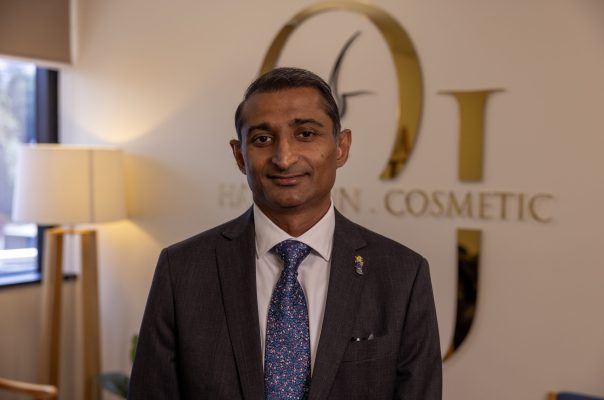
At OJ Clinics in East Toowoomba, skin checks are performed by Dr Omi Jindal, a General Practitioner with postgraduate training in skin cancer medicine and an extensive background in surgical and reconstructive care.
Your appointment includes a systematic examination of the skin, with dermoscopy used to assess lesions in greater detail. Where further investigation is required, skin biopsies and many follow-up procedures can be performed at the clinic.
No referral is required.
- Doctor-led skin checks.
- Dermoscopic examination.
- Biopsies available on site.
- Many treatments performed at the clinic.
- No referral required.
- Bulk billed Skin Checks.
GP-led care
Dermoscopy examination
No referral required
Medicare rebates may apply
Why Regular Skin Checks Matter in Queensland
Australia has one of the highest rates of skin cancer in the world, and Queenslanders experience high ultraviolet exposure throughout much of the year.
Skin damage builds gradually over a lifetime. It may result from outdoor work, gardening, farming, sport, driving, recreational activities or repeated sunburn during childhood and adolescence.
Many skin cancers are first noticed as a small or apparently harmless change. They may not itch, bleed or cause discomfort until they have become larger.
A professional skin examination provides more than a visual check. It allows the doctor to assess your personal risk factors, examine areas that are difficult to see and use dermoscopy to evaluate suspicious lesions more closely.
When skin cancer is found at an earlier stage, treatment is often more straightforward and may involve a smaller procedure.
Who Should Book a Skin Check?
Anyone can arrange a skin check, particularly if they are concerned about a particular lesion or have experienced significant sun exposure.
A skin check may be especially important if you have:
- Fair skin or skin that burns easily,
- Red or blond hair.
- A history of frequent or severe sunburn.
- Worked in farming, construction, transport or another outdoor occupation.
- Spent significant time playing outdoor sport.
- A large number of moles.
- Moles that are irregular or unusual in appearance.
- A personal history of melanoma, basal cell carcinoma or squamous cell carcinoma.
- A family history of melanoma.
- Previously used a solarium.
- Significant sun-damaged skin.
- A weakened immune system.
- Medication that suppresses the immune system.
- A lesion that has previously been treated but has returned.
- Not had your skin examined for some time.
You should also book an appointment promptly if you notice a new or changing spot, regardless of when your last skin check was performed.
Signs That Should Be Assessed
Arrange an appointment if you notice a spot that:
- Is new or looks different from your other spots.
- Changes in size, shape or colour.
- Has several colours or an irregular border.
- Becomes thicker or more raised.
- Grows over a relatively short period.
- Bleeds without an obvious injury.
- Crusts repeatedly.
- Becomes itchy, painful or tender.
- Looks like a sore that does not heal.
- Returns after previous treatment.
Not every changing lesion is skin cancer. However, it is better to have a concerning spot examined than to continue watching it without medical assessment.
What Happens During a Full Body Skin Check?
A full body skin check is a systematic examination of your skin from head to toe. The appointment will usually take approximately 15 to 30 minutes, although this may vary depending on your medical history, number of lesions and level of risk.
Medical and Skin Cancer History
Dr Jindal will ask about factors that may affect your risk of skin cancer, including:
- Previous skin cancers or biopsies.
- Family history of melanoma.
- Previous sunburn and sun exposure.
- Outdoor work or recreational activities.
- Changes you have noticed in your skin.
- Current medications.
- Medical conditions that may affect your immune system.
You should point out any particular spots that concern you, even if they appear small or have recently settled.
Head-to-Toe Examination
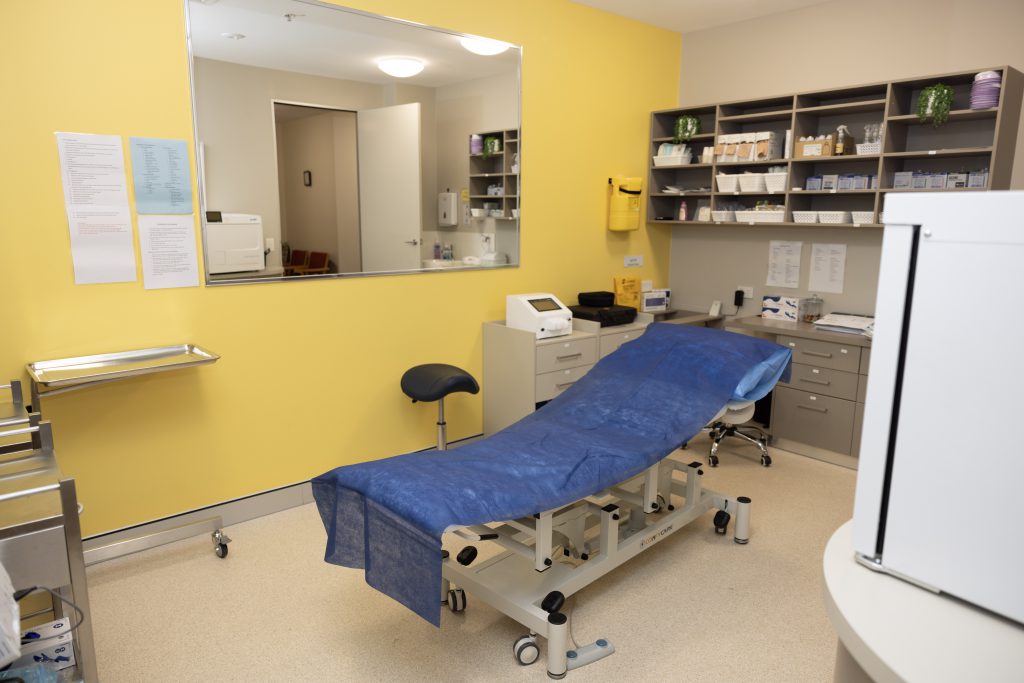
The examination may include:
- Scalp and hairline.
- Face, nose, lips and ears.
- Neck and shoulders.
- Chest, abdomen and back.
- Arms, hands and fingers.
- Legs, feet and toes.
- Soles of the feet.
- Spaces between the toes.
- Nails and surrounding skin.
Areas covered by underwear are examined only where clinically appropriate and with your consent.
Your privacy and comfort are respected throughout the appointment. The examination is performed in stages so that you are not unnecessarily exposed. You may also request a chaperone.
Dermoscopy During Your Skin Check
Dermoscopy is an important part of a detailed skin examination.
A dermatoscope is a specialised handheld instrument that provides magnification and controlled lighting. It allows the doctor to examine colours, structures and patterns beneath the surface of a lesion that cannot be assessed adequately with the naked eye alone.
Dermoscopy can help determine whether a lesion:
- Appears clinically reassuring.
- Should be photographed or monitored.
- Requires a biopsy.
- Should be removed.
- Requires specialist assessment.
Dermoscopy does not involve needles, radiation or removal of tissue.
How to Prepare for Your Skin Check
A small amount of preparation can make the examination easier and more complete.
Before your appointment:
- Wear minimal or no makeup where possible.
- Remove nail polish from fingernails and toenails.
- Avoid fake tan before the appointment.
- Avoid applying heavy creams or body oils on the day.
- Wear clothing that is easy to remove and put back on.
- Bring details of previous skin cancers or pathology reports if available.
- Make a note of any lesions that have changed or caused concern.
You may also bring photographs showing how a lesion has changed over time.
What Happens If a Suspicious Lesion Is Found?
Finding a suspicious lesion does not necessarily mean that you have skin cancer.
The next step will depend on the lesion’s clinical and dermoscopic appearance, its location, your medical history and your level of risk.
Dr Jindal may recommend:
- Reassurance with no further treatment.
- Self-monitoring at home.
- Clinical or dermoscopic photography.
- Review after a defined period.
- Cryotherapy for selected sun-damaged or superficial lesions.
- A skin biopsy.
- Complete removal of the lesion.
- Referral to a dermatologist, plastic surgeon or another specialist.
The reason for the recommendation will be explained so that you understand what has been found and why further investigation may or may not be necessary.
Skin Biopsies at OJ Clinics
A skin biopsy may be recommended when the diagnosis cannot be confirmed through examination alone.
A biopsy involves removing a small sample of the lesion, or sometimes the entire lesion, and sending it to a pathology laboratory for examination under a microscope.
Depending on the lesion, the biopsy may be performed as a:
Shave biopsy.
Punch biopsy.
Incisional biopsy.
Excisional biopsy.
Most skin biopsies can be performed at OJ Clinics under local anaesthetic.
Once the pathology result is available, Dr Jindal will explain the diagnosis and discuss whether any further treatment is required.
Skin Cancer Treatment and Follow-Up
If skin cancer is diagnosed, many treatments can be performed at OJ Clinics where clinically appropriate.
Depending on the diagnosis, treatment may include:
- Surgical excision.
- Curettage and cautery.
- Cryotherapy for selected lesions.
- Direct wound closure.
- Local skin flap reconstruction.
- Skin graft reconstruction.
- Wound reviews and dressing care.
- Suture removal.
- Pathology review.
- Ongoing skin surveillance.
All surgical and invasive procedures carry risks. These may include bleeding, infection, delayed healing, scarring, wound separation, altered sensation or the need for further treatment.
The risks relevant to your proposed procedure, along with the alternatives and expected recovery, will be discussed before treatment.
When Specialist Referral Is Needed
Some lesions are better managed by a dermatologist, plastic surgeon, head and neck surgeon or hospital-based service.
Referral may be recommended when:
- The cancer is large, deep or aggressive.
- The lesion is located in a complex anatomical area.
- Important structures may be involved.
- Mohs micrographic surgery may be appropriate.
- Further imaging or lymph node assessment is required.
- The cancer has returned after previous treatment.
- Surgery under sedation or general anaesthesia may be needed.
- The required reconstruction is not suitable for a general practice setting.
When referral is required, Dr Jindal will explain why and help coordinate the next stage of your care.
A specialist referral does not mean that his involvement ends. Where appropriate, he will continue to review reports, explain what is happening and remain involved in your follow-up care.
The aim is to make sure you remain informed, supported and connected throughout the treatment process.
Skin Checks for Children and Teenagers
Children commonly develop new moles as they grow, and most childhood moles and birthmarks are harmless.
Routine full body skin checks are not necessarily required for every healthy child. However, a medical assessment is appropriate when a parent or guardian notices a lesion that is changing, growing quickly, bleeding, causing symptoms or looks different from the child’s other spots.
At OJ Clinics, Dr Jindal assesses concerning moles, birthmarks, lumps and other skin lesions in children and teenagers.
When Should a Child’s Skin Lesion Be Checked?
Book an appointment if your child has:
- A new mole or skin lesion that is changing.
- A spot that looks different from their other moles.
- A lesion that is growing quickly.
- A pink, red, brown or dark spot that continues to enlarge.
- A raised lump that does not settle.
- A mole that bleeds, crusts or becomes repeatedly irritated.
- An itchy, painful or tender lesion.
- A sore that does not heal.
- A large birthmark or congenital mole.
- Many irregular or unusual-looking moles.
- A strong family history of melanoma.
- A weakened immune system.
- A medical condition associated with increased skin cancer risk.
Parents are often the first to notice a meaningful change. Photographs taken over time can sometimes help show whether a lesion has altered.
Skin Cancer Can Look Different in Children
The usual ABCDE guide can still be useful when examining a child’s mole:
- A – Asymmetry
- B – Border irregularity
- C – Colour variation
- D – Diameter
- E – Evolving or changing
However, concerning lesions in children do not always follow the typical adult pattern. A lesion may be pink or red, evenly coloured, raised, small or newly developed.
These features do not automatically mean that a lesion is cancerous, but they may justify medical assessment.
What Happens During a Child’s Skin Check?
The consultation begins with a discussion about when the lesion appeared and whether it has changed.
The examination is performed gently and respectfully, with a parent or guardian present. Depending on the concern, Dr Jindal may examine the individual lesion or recommend a broader skin assessment.
Dermoscopy may be used to examine the lesion without cutting the skin. Where appropriate, a clinical or dermoscopic photograph may be taken for comparison at a later appointment.
Most skin lesions in children do not require surgery. If further investigation is needed, the options and reasons will be explained clearly to the parent or guardian.
How Often Should You Have a Skin Check?
There is no single skin-check schedule that is suitable for everyone.
The appropriate interval depends on factors such as:
Your previous skin cancer history.
Number and type of moles.
Degree of sun damage.
Family history of melanoma.
Immune status.
Occupational and recreational sun exposure.
Findings from your current examination.
Some patients may benefit from regular scheduled surveillance, while others may only need to return if they notice a change.
After assessing your skin and risk factors, Dr Jindal can recommend a follow-up interval suited to your circumstances.
A new, changing, bleeding or non-healing lesion should be assessed promptly rather than waiting for your next routine appointment.
Understanding the Main Types of Skin Cancer
Melanoma
Melanoma is the skin cancer with the greatest potential to spread to other parts of the body.
It may develop within an existing mole or appear as a new lesion. Some melanomas follow the ABCDE pattern, while others may appear small, evenly coloured or unlike a typical mole.
Any evolving or unusual lesion should be assessed.
Basal Cell Carcinoma
Basal cell carcinoma, or BCC, is a common form of skin cancer.
It may appear as:
- A pearly or shiny lump
- A pink patch
- A dry or scaly area
- A sore that repeatedly bleeds or crusts
- A lesion that appears to heal and then returns
BCCs usually grow slowly but may cause significant local tissue damage if left untreated.
Squamous Cell Carcinoma
Squamous cell carcinoma, or SCC, commonly occurs on sun-exposed areas such as the face, scalp, ears, neck, forearms and hands.
It may appear as:
- A thickened red or scaly patch
- A rapidly growing lump
- A tender or painful lesion
- A crusted or bleeding sore
- A firm area that does not heal
Some SCCs can spread, particularly when they are large, deep, recurrent or located in higher-risk areas.
Actinic Keratoses
Actinic keratoses, also known as solar keratoses or sunspots, are rough or scaly areas caused by long-term ultraviolet damage.
They are not all skin cancers, but some may develop into squamous cell carcinoma. Treatment or monitoring may therefore be recommended depending on their appearance and extent.
Why Choose OJ Clinics for a Skin Check?
-
01
Doctor-Led Assessment
Your skin check is performed by Dr Omi Jindal, a General Practitioner with postgraduate training in skin cancer medicine.
-
02
Dermoscopic Examination
Suspicious lesions are examined using dermoscopy where appropriate, providing more detail than visual inspection alone.
-
03
On-Site Biopsies and Procedures
Biopsies, cryotherapy and many skin cancer excisions can be performed at the clinic when clinically suitable.
-
04
Surgical and Reconstructive Experience
Dr Jindal’s background in reconstructive surgery supports careful planning of wound closure, local flaps and skin grafts where these are required.
-
05
Continuity of Care
Assessment, pathology results, treatment planning, wound care and future surveillance can be coordinated through the same clinic.
-
06
Referral When Appropriate
When specialist or hospital-based care is the safer option, referral is arranged and ongoing support remains available.
-
07
No Referral Required
Patients can contact OJ Clinics directly to arrange a skin check.
-
08
Convenient East Toowoomba Location
OJ Clinics is located at Medici Medical Centre in East Toowoomba and welcomes patients from Toowoomba and the wider Darling Downs region.
We are committed to maintaining the highest standards of patient privacy. We never use or publish your photographs or personal information.
Other Services at OJ Clinics
Frequently Asked Questions
No. You can book directly with OJ Clinics by phone or through the online booking system.
Most appointments take approximately 15 to 30 minutes. The time required may vary depending on your medical history, number of lesions and level of risk.
A thorough skin examination usually requires you to undress to your underwear. The examination is completed in stages, and your privacy is maintained throughout. You may request a chaperone.
The skin examination and dermoscopy are not painful. A biopsy or treatment may involve local anaesthetic if further investigation is required.
In some cases, a biopsy may be performed during the same visit. In other cases, a separate procedure appointment may be arranged depending on time, consent, lesion location and clinical complexity.
Yes. OJ Clinics assesses concerning moles, birthmarks and other skin lesions in children and teenagers. Routine full body screening is not required for every child, but a changing or unusual lesion should be examined.
Eligible patients can access bulk billed skin checks at our clinic. If any additional procedures or treatments are required, any applicable fees or out-of-pocket costs will be explained when you book your appointment.
Book Your Skin Check in Toowoomba
You do not need a referral to arrange a skin check at OJ Clinics.
Book an appointment if you are concerned about a changing mole, a persistent sore, a new lesion or your overall skin cancer risk.